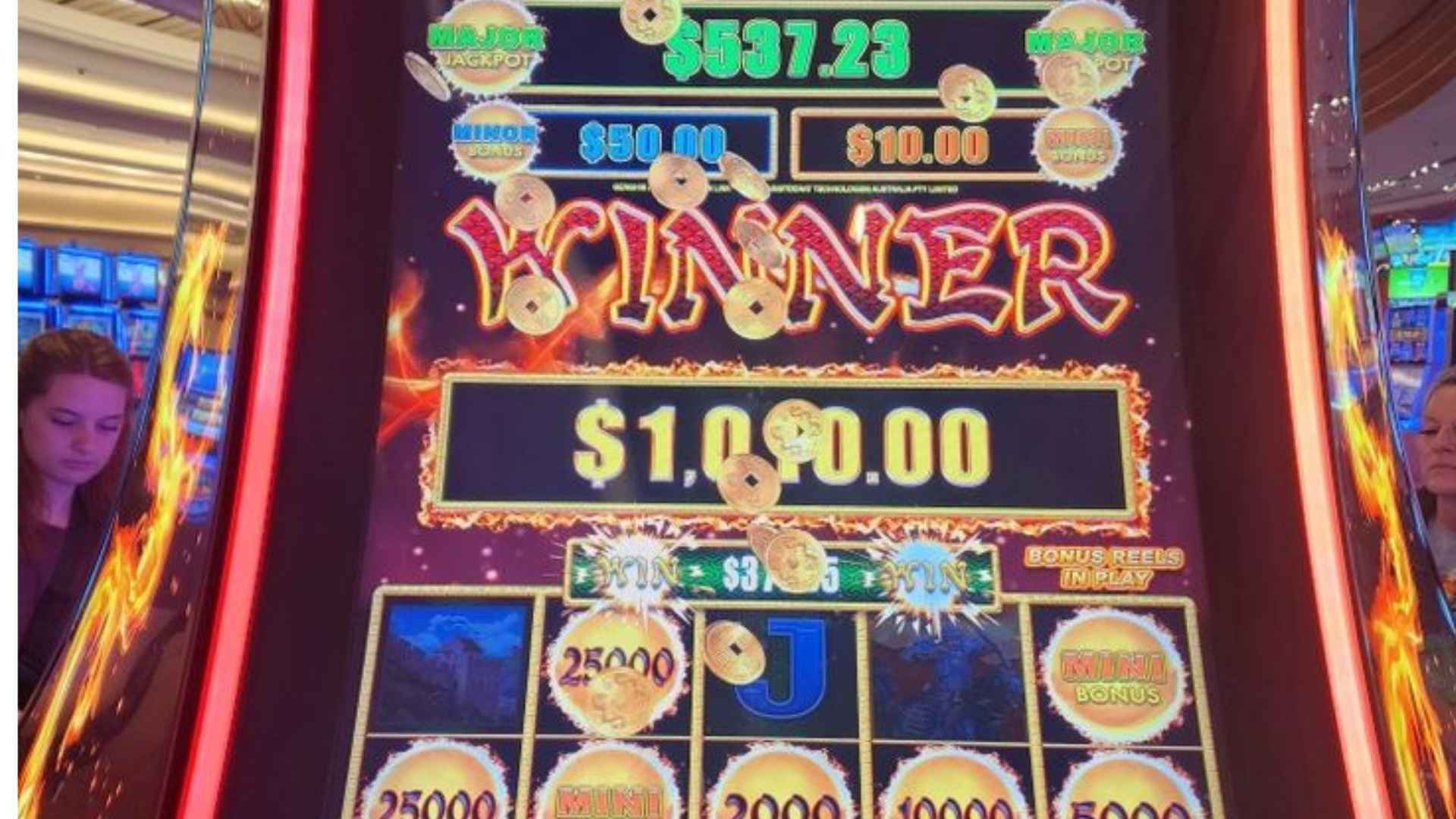
Understanding how slot machines operate is essential for any player seeking to improve their gaming strategy and manage expectations effectively. While modern casino slot games rely heavily on chance, analyzing the mathematical probabilities behind these machines reveals how payouts and odds are structured. Learning how these internal systems function empowers players to make informed decisions when selecting which titles to play.
The Core Mechanics of Random Number Generators
At the heart of every modern electronic gaming machine is a complex software component known as the Random Number Generator. This continuous algorithm produces thousands of mathematical combinations per second, determining the exact outcome the moment a player initiates a spin. Because each outcome is generated independently, past spins have no impact on future results, ensuring complete statistical randomness.
Understanding this mechanic helps clear up common myths regarding cold or hot machines in land-based and online venues. Players looking for broader insights into digital gaming options and platform reviews often check resources like m88 togel for updated market trends. Recognizing that each spin is entirely random prevents players from relying on flawed betting systems that promise guaranteed wins.
Decoding Return to Player and House Edge
The Return to Player percentage represents the theoretical amount of total wagered money a slot machine pays back to players over a long period. For instance, a title with a ninety-six percent rating is designed to return ninety-six cents for every dollar spent over millions of spins. The remaining percentage constitutes the house edge, which represents the built-in mathematical advantage retained by the casino operator.
Selecting titles with higher theoretical returns gives players better value over extended playing sessions. However, it is vital to remember that short-term sessions can deviate drastically from the advertised baseline average. Recognizing the distinction between theoretical performance and immediate gameplay keeps expectations realistic and bankroll management balanced.
Understanding Volatility and Payout Distribution
Machine variance, commonly referred to as volatility, dictates how often and how much a slot machine typically pays out during play. High volatility games feature fewer winning hits but offer larger potential prize payouts when combinations align. Conversely, low volatility machines deliver frequent, smaller rewards that extend play time and maintain account balances steadily.
Aligning game selection with individual risk tolerance and overall budget is a key aspect of smart gambling. Players with smaller bankrolls often benefit from low-volatility titles that provide steady feedback and longer sessions. Matching your personal play style to the appropriate volatility level creates a far more controlled experience.
Smart Practices for Responsible Bankroll Management
While understanding probability provides valuable context, strict discipline remains the most reliable strategy on any gaming floor. Setting fixed limits on both time and expenditure before starting ensures that gaming remains an enjoyable form of leisure. Establishing distinct loss limits prevents emotional decision-making when encountering unpredictable statistical cold streaks.
Viewing slot outcomes through the lens of mathematical probability removes misconceptions and promotes healthier playing habits. Treating winnings as a pleasant bonus rather than an expected income source is fundamental to long-term enjoyment. By combining probabilistic knowledge with structured spending limits, players maintain complete control over their gaming activities.