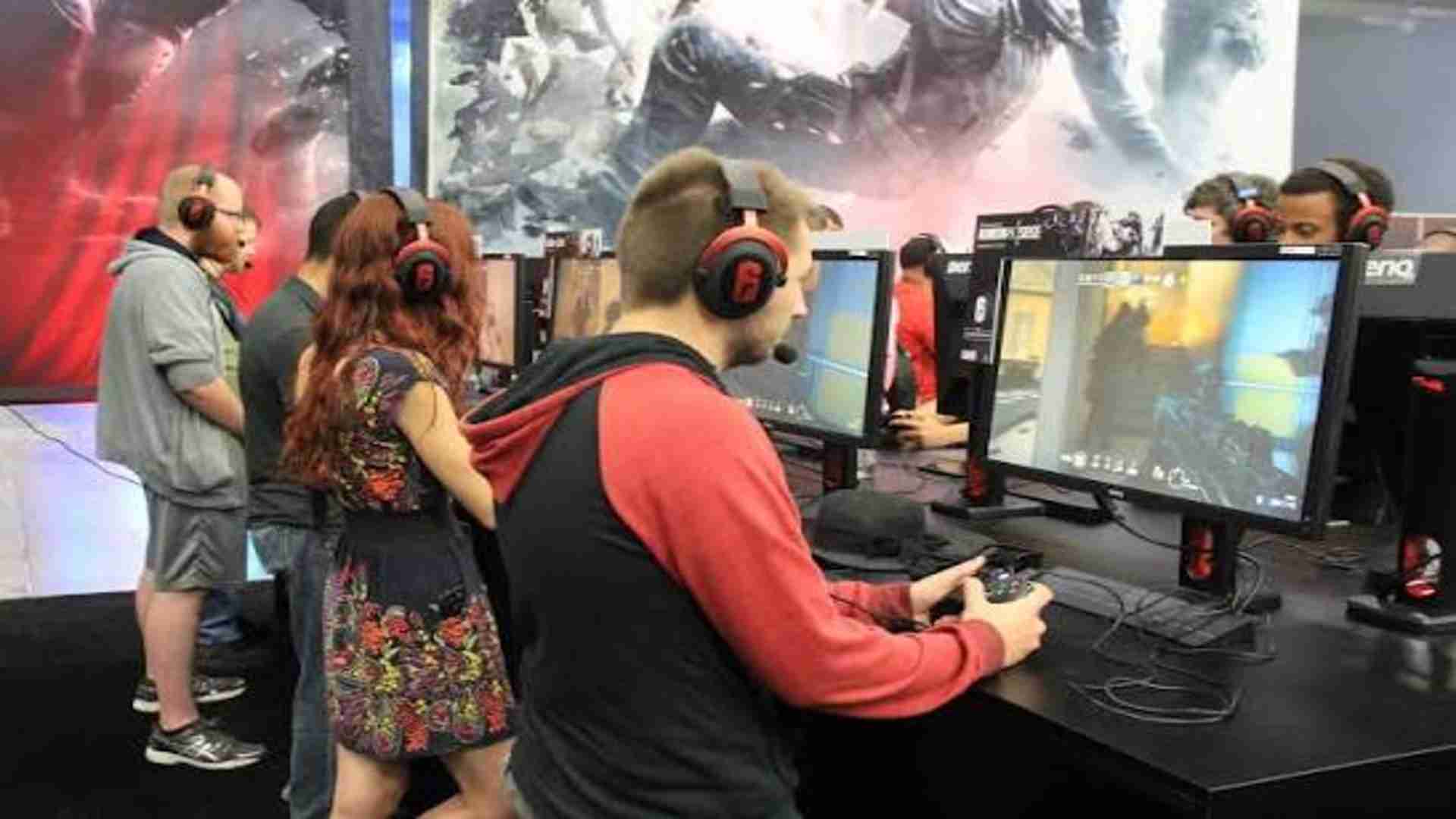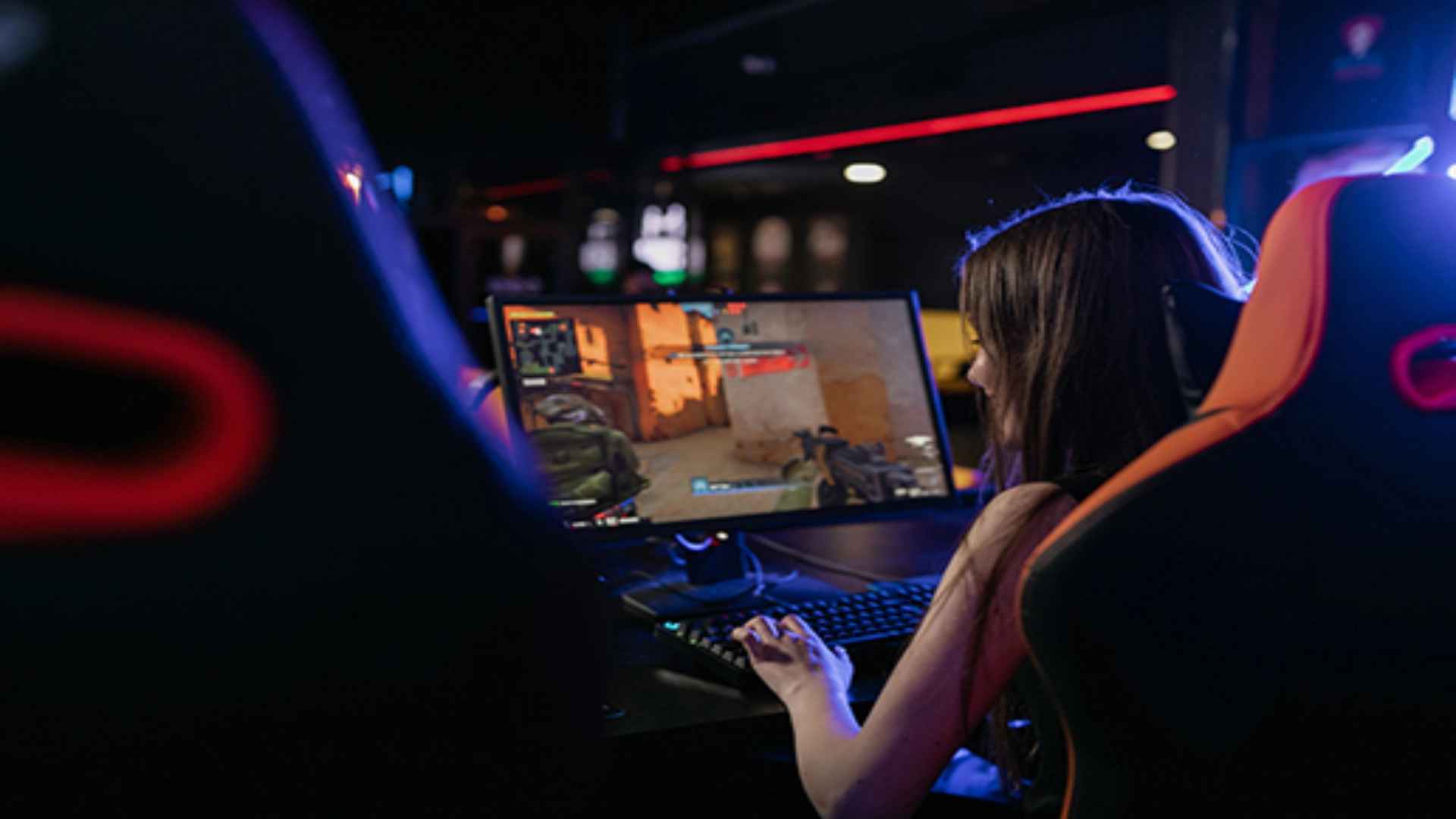
The landscape of modern online gaming has evolved dramatically, shifting focus from individual reflex speed to sophisticated, collaborative team execution. Today, players look for deep tactical match coordination where winning depends heavily on structured communication, strategic positioning, and understanding map control. This shift has elevated casual gaming into a cerebral experience requiring high-level synergy among teammates.
The Core Elements of In-Game Synergy
Achieving successful coordination in a fast-paced environment requires a shared understanding of roles and distinct character abilities. Teams must assign specific tasks to each participant, ensuring that defensive support and offensive pushes occur in perfect harmony. When players sync their actions flawlessly, they can overcome even the most mechanically skilled opponents.
Furthermore, real-time communication remains the absolute backbone of executing complex tactical maneuvers during a match. Utilizing internal voice channels or precise ping systems allows squads to adapt immediately to changing battlefield conditions. This dynamic response prevents costly mistakes and keeps the entire group working toward a singular objective.
Technological Advancements in Matchmaking
Modern gaming developers are investing heavily in advanced matchmaking algorithms that pair individuals based on their tactical preferences and playstyles. These sophisticated systems evaluate past behavioral data to build well-balanced teams capable of intricate cooperation. As a result, solo players can easily connect with like-minded strategists to enjoy highly coordinated sessions.
To get started with competitive platforms and experience advanced community matching options, players often search for the M88 Msports Login online. Accessing these dedicated sports and gaming portals provides an entry point to structured environments designed for enthusiasts who value strategic depth. Having the right platform infrastructure ensures that competitive matches remain fair, engaging, and deeply strategic.
Overcoming Communication Barriers
One of the biggest hurdles in tactical match coordination is managing the diverse communication styles found within international gaming communities. Language barriers and differing levels of experience can easily disrupt team synergy during high-stakes moments. Successful groups overcome this by establishing simple, universal terminology that every player can understand instantly.
Additionally, keeping a calm and constructive attitude during a difficult match prevents the breakdown of strategic plans. When teams focus entirely on problem-solving rather than placing blame, they are much more likely to pull off impressive comebacks. Emotional resilience serves as a quiet but critical component of top-tier tactical execution.
The Future of Competitive Tactical Gaming
Looking ahead, the integration of artificial intelligence tools will likely revolutionize how squads train and plan their tactical approaches. AI-driven analytics can provide immediate post-game reviews, highlighting specific moments where team coordination succeeded or failed. This technology allows players to refine their positioning and timing with professional-level precision.
As these digital systems continue to mature, the competitive gap between disorganized teams and coordinated squads will grow wider. Immersive virtual reality spaces might also introduce physical positioning elements to match coordination in the near future. The era of mindless button-mashing is giving way to a highly calculated sport of digital chess.