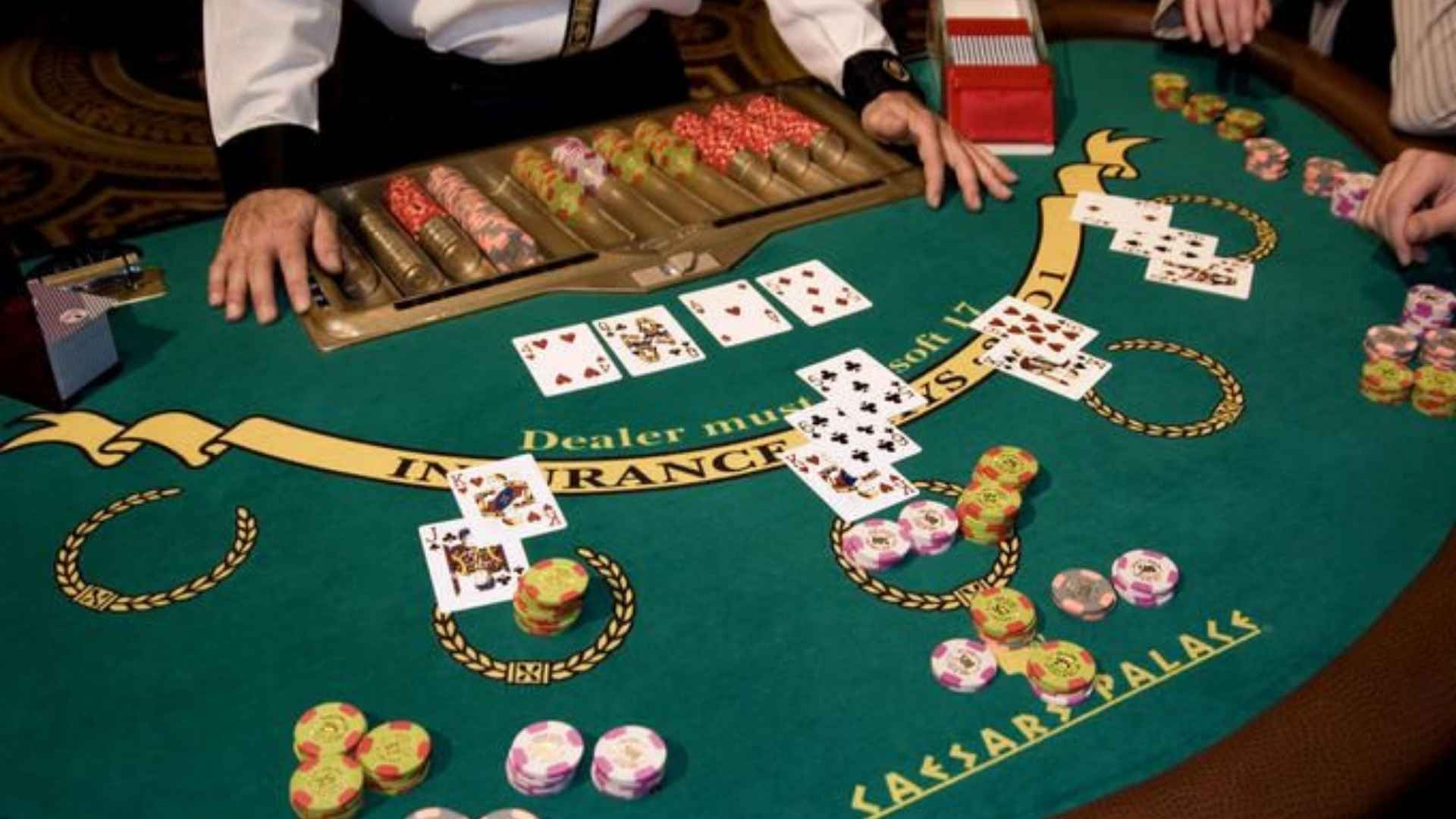
The structural design of early casino card games often relied on fluid participant dynamics to keep table interactions lively and unpredictable. Long before centralized banking structures became a standard convention on modern gambling floors, traditional card tables distributed critical operational responsibilities directly among the players. This unique style of rotating the dealer or banker role completely changed the tactical baseline of classic table activities.
The Shared Distribution of Financial Risk
In the oldest variations of games like baccarat and early continental pastimes, holding the bank roll was an active privilege rather than a static fixture of the venue. Participants took turns assuming direct liability for covering the collective wagers of the remaining players at the table. This shifting financial responsibility prevented any single participant from executing a passive approach to risk management.
Because the role of the house shifted constantly, players had to adjust their wagering limits based on who was currently managing the table funds. For modern enthusiasts interested in studying how localized risk and platform systems evolve over time, tracking historic rule variations via a reliable wd boss link offers excellent analytical context. This continuous shifting of financial exposure successfully prevented early card games from feeling formulaic or repetitive.
Elevating Strategy and Observation
When the banking responsibility rotated around a semi-circular table, it altered the strategic importance of physical seating arrangements. Players had to carefully observe the operational habits and financial depth of each temporary banker before committing their own chips to a round. This dynamic setup forced individuals to look beyond the card totals and evaluate the live human elements of the table.
A banker with a massive capital reserve would invite different wagering patterns compared to a participant operating on a limited budget. This active environmental assessment turned simple numerical comparison matches into deeply interactive contests of nerves and psychological warfare. Every rotation introduced fresh table conditions, ensuring that veteran players remained fully engaged throughout an extended gaming session.
The Cultural Transition to Structured Systems
As early gaming salons across Europe refined their behavioral guidelines, rotating mechanics helped maintain a sense of community fairness and social accountability among participants. No single entity held a permanent mathematical advantage over the rest of the room, which balanced the competitive landscape naturally. This shared accountability made early card rooms feel like prestigious social clubs built around mutual participation.
Over the decades, modern casinos moved toward highly automated dealer formats to maximize operational speed and clear transaction volumes. While contemporary platforms offer unparalleled convenience, studying these old rotating systems explains how early tabletop customs originally developed. Recognizing the impact of player-led banking structures provides a much deeper appreciation for the rich history behind today's digital casino options.